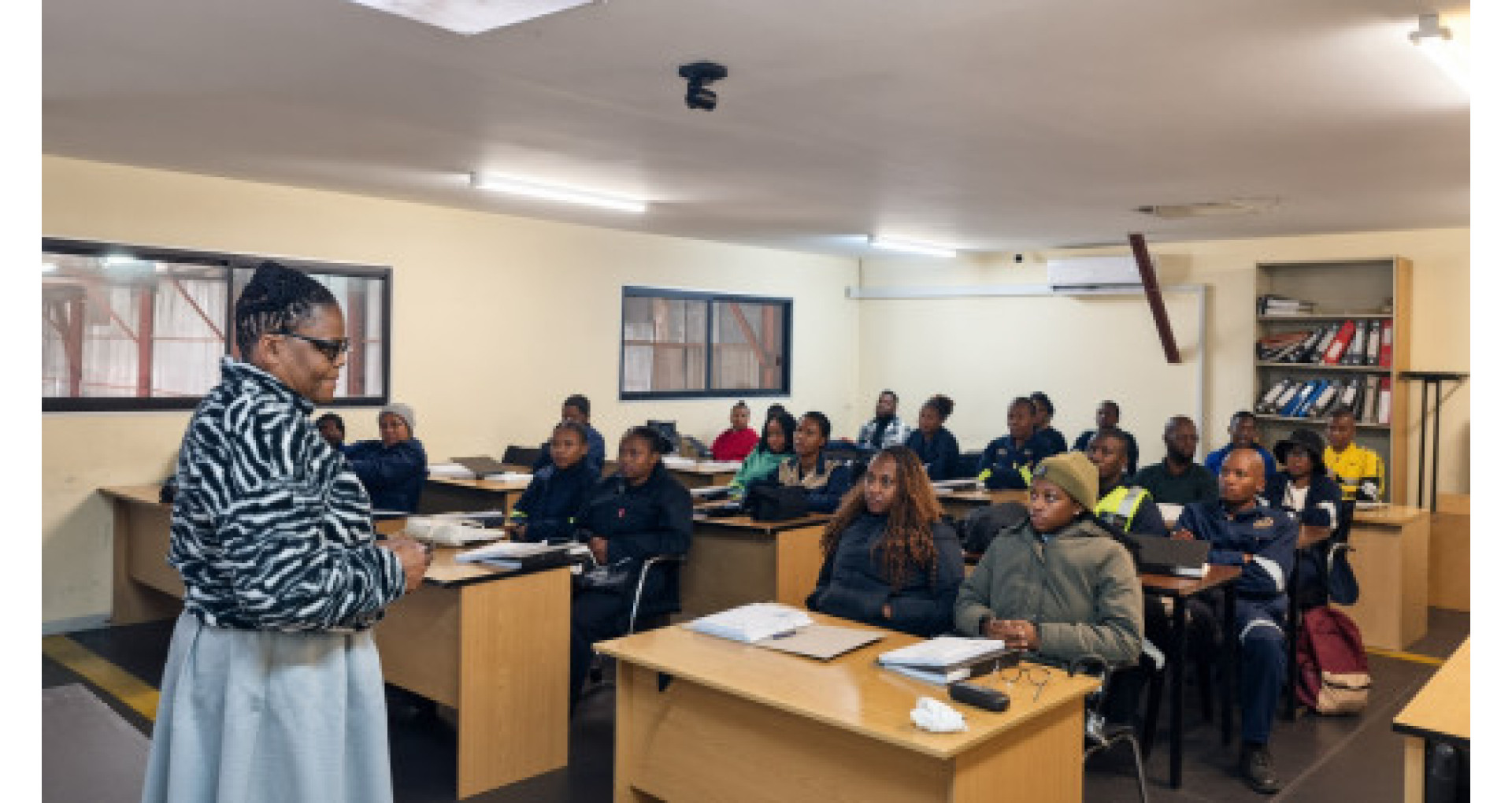
Young Artisans Still Looking for Their First Opportunity
There’s a particular kind of quiet determination that lives in young artisans. You can see it in the carefully sanded edges of a piece that never sold, in the late-night Instagram posts that get three likes, and in the way they keep showing up to markets with handmade work even when the table next to them is full of mass-produced imports.
You’re skilled. You’ve put in the hours. You’ve practiced until your hands know the material better than your mind does. And yet the first real opportunity—the paid commission, the consistent workshop spot, the gallery that takes a chance, the steady customer base—still hasn’t arrived.
You’re not alone. And you’re not behind
The Gap Between Skill and Visibility
Most young artisans face the same invisible wall: the market doesn’t automatically reward quality. It rewards visibility, consistency, relationships, and a bit of luck timed with preparation. You can be excellent at your craft and still be invisible if no one who can pay you knows you exist.
This isn’t a failure of talent. It’s a structural reality of creative work. The people who break through earliest are rarely the most gifted; they’re often the ones who treated finding opportunities as a skill of its own.
What “First Opportunity” Actually Looks Like
It rarely arrives as a dramatic yes from a big brand or a famous gallery. More often it looks like:
- A local shop owner who agrees to take three pieces on consignment
- A private commission from someone who found you through a mutual friend
- A market that finally gives you a regular weekend stall
- A collaborative project with another maker that expands both of your audiences
- An online order that turns into a repeating customer
These small openings matter more than they feel like they should. They create proof, momentum, and the next conversation.
Practical Moves While You’re Waiting
Treat your search like part of the craft.
Set aside time every week specifically for outreach—not just posting, but actual contact. Email three local shops. Message two makers whose work you respect and ask a genuine question. Comment thoughtfully on the work of people who buy the kind of thing you make. Consistency here compounds faster than another hour of perfecting a technique you already know.
Make your work easy to say yes to.
Clear pricing. Clean photos. Simple descriptions of materials and process. A short, professional bio. People who might give you a chance are busy; reduce the friction of saying yes.
Document the process publicly, not just the finished piece.
People connect with the making. Short videos of your hands at work, the tools you use, the decisions you make—these build recognition and trust faster than polished product shots alone.
Build relationships before you need them.
Go to openings, markets, and maker meetups even when you have nothing to sell. Be useful. Share resources. Remember names. The first opportunity often comes from someone who already likes you as a person.
Protect the work itself.
Rejection and silence can make the studio feel pointless. Keep making anyway, but set boundaries. Not every piece needs to be for sale. Some work can exist purely to keep your hands sharp and your curiosity alive.
The Longer Game
Many of the artisans whose work you admire spent years in this exact place—skilled, serious, and still waiting. The difference between those who eventually found footing and those who drifted away was rarely a sudden stroke of genius. It was the decision to keep treating the search for opportunity as seriously as the craft itself.
Your first real chance is still ahead of you. It will probably not look the way you imagined. It may start smaller than you hoped. But when it comes, the hours you’ve already invested will matter. The quality you’ve already developed will matter. And the fact that you kept going when it was quiet will matter most of all.
Keep your tools sharp. Keep showing up. The work is ready. The opportunity is still looking for you too.